Exactly How Thumb Braces Can Support Your Joint Wellness Throughout Daily Activities
Thumb dental braces offer an important feature in keeping joint health throughout day-to-day tasks. They provide stability and minimize pressure, particularly for those experiencing discomfort from conditions like arthritis. By using these dental braces, people can improve their capability to execute tasks such as typing and grasping. Understanding the various kinds and appropriate use of thumb dental braces is vital for optimizing their advantages. What considerations should one remember when selecting the appropriate brace?
Recognizing the Anatomy of the Thumb
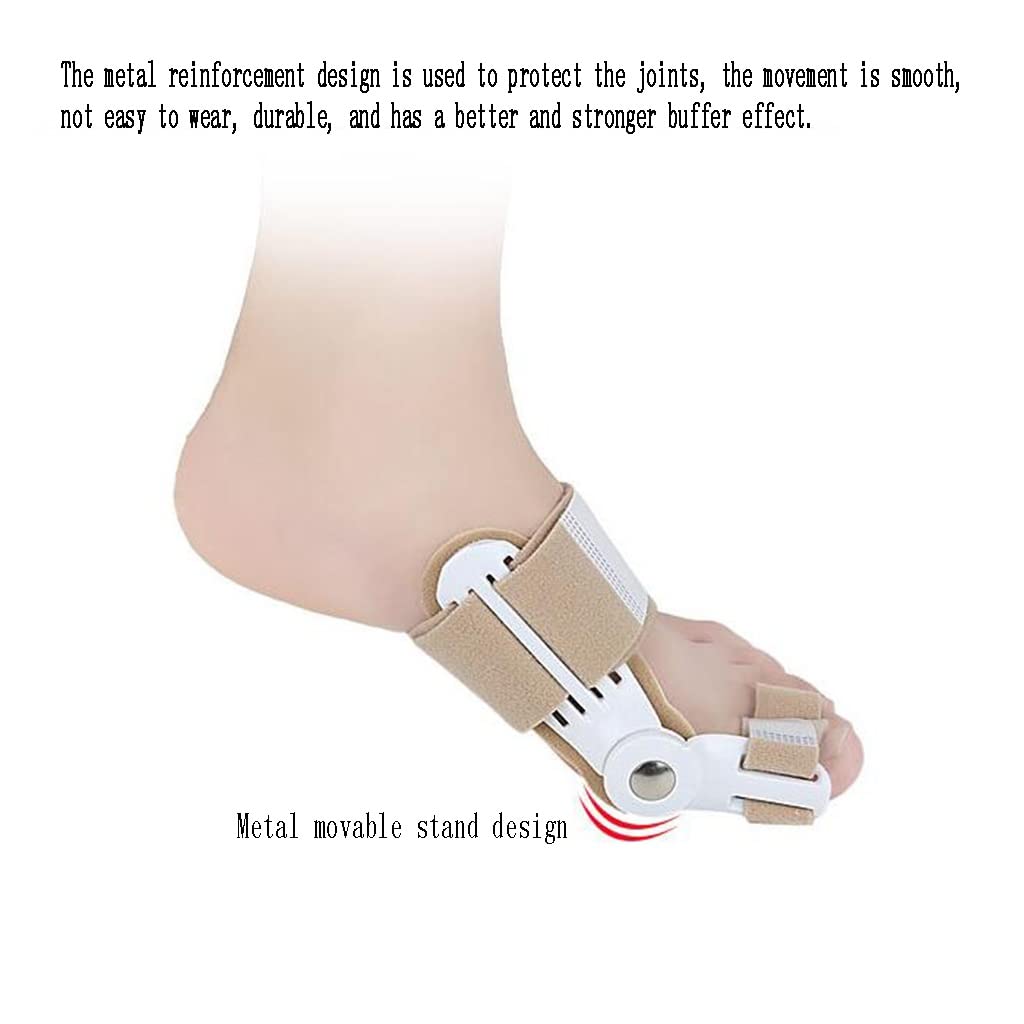
Although commonly ignored, the thumb plays a necessary function in hand feature and total dexterity. Included two phalanges, the thumb's unique framework permits a better variety of motion contrasted to various other fingers. Its opposability, a key particular, allows the thumb to touch the suggestions of the other fingers, facilitating gripping and pinching actions. The carpometacarpal joint, situated at the base of the thumb, is very mobile, permitting the thumb to bend and turn in different instructions. Tendons and ligaments support the thumb, giving both support and flexibility during activities. In addition, the existence of muscle mass such as the kidnapper pollicis longus and opponens pollicis boosts its activity capacities. This intricate physiological arrangement is necessary for performing everyday tasks, from creating to grasping things, highlighting the thumb's significance in both fine motor abilities and gross electric motor features. Understanding this composition can aid value the thumb's important contributions to general hand health.
Usual Thumb Injuries and Strain
The intricate composition of the thumb makes it at risk to numerous injuries and stress, especially as a result of its constant use in everyday activities. Common thumb injuries consist of strains, which happen when tendons are overstretched or torn, commonly arising from uncomfortable hand motions or drops. Tendonitis is one more prevalent problem, defined by inflammation of the tendons that manage thumb activity, generally because of repeated pressure.
De Quervain's tenosynovitis is a details sort of tendonitis affecting the ligaments situated at the base of the thumb, usually experienced by individuals who take part in repetitive gripping or pinching. Cracks, though much less usual, can take place from direct trauma, specifically in sporting activities or mishaps. These injuries can result in discomfort, swelling, and lowered flexibility, impacting daily tasks and overall thumb capability. Understanding these usual thumb injuries is important for identifying symptoms and looking for proper treatment.
Benefits of Using Thumb Braces
Making use of thumb braces can substantially boost joint health and wellness and offer alleviation from numerous thumb-related injuries. These supportive tools stabilize the thumb, decreasing strain during day-to-day activities such as inputting, texting, or gripping objects. By paralyzing the joint, thumb braces can ease pain and swelling linked with conditions like arthritis or tendonitis.
Furthermore, they advertise proper alignment, which is essential for stopping additional injury. Wearing a thumb brace can likewise motivate remainder and recuperation, permitting time for healing while preserving functionality.
In addition, thumb dental braces frequently include adjustable bands, ensuring a personalized fit that boosts comfort throughout use. This versatility makes them appropriate for individuals of differing hand dimensions and task levels. Inevitably, integrating thumb braces into one's everyday routine can bring about improved joint health and wellness, enhanced movement, and a decrease in the risk of worsening existing thumb conditions.
Different Kinds Of Thumb Braces Available
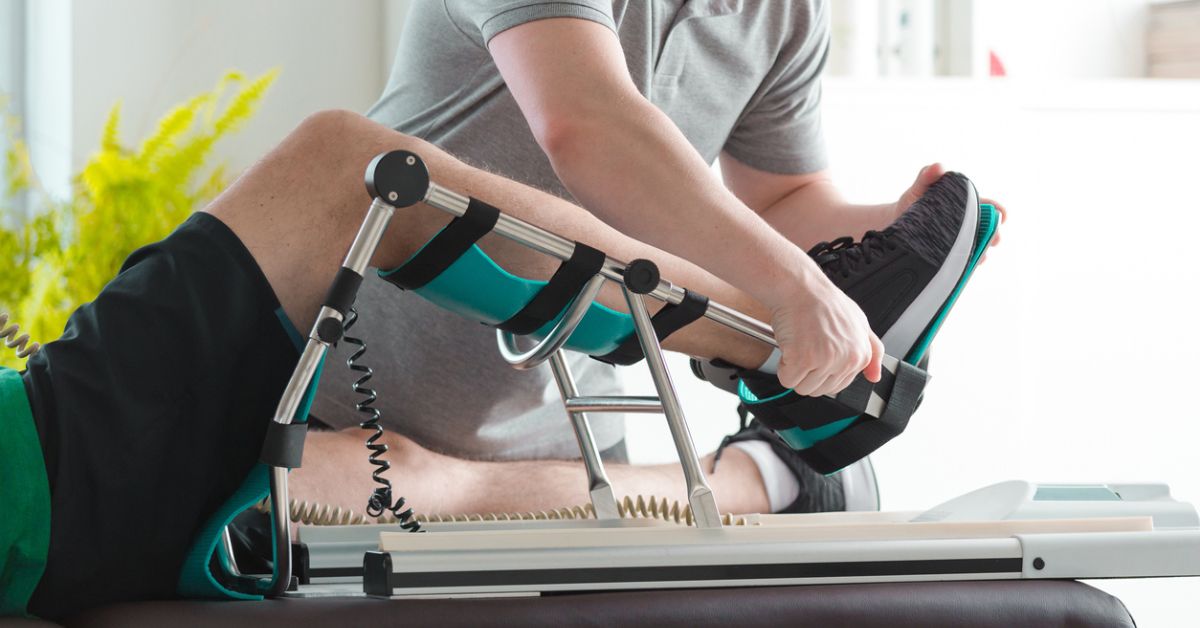
When thinking about thumb dental braces, people can choose between numerous types that deal with specific demands. Inflexible support braces offer security and immobilization, while flexible compression sleeves provide gentle assistance and raised blood flow. Recognizing these alternatives can aid individuals select the most suitable support for their joint wellness.
Rigid Assistance Supports
Adaptable Compression Sleeves
In enhancement to rigid assistance dental braces, flexible compression sleeves supply a different strategy to thumb assistance, stressing comfort and mobility. These sleeves are made to supply gentle compression, which can assist reduce swelling and improve flow in the thumb joint. Made from flexible materials, they enable for a complete array of motion, making them optimal for people who participate in daily activities calling for dexterity. Flexible compression sleeves can be found in different dimensions and styles, accommodating various degrees of support and private choices. They are very easy and usually lightweight to use, making them appropriate for long term usage throughout the day. Overall, these sleeves serve as a sensible alternative for those seeking alleviation without giving up performance.
Just how to Choose the Right Thumb Brace for Your Needs
Selecting the ideal thumb support includes numerous vital considerations. People must evaluate their details problem, assure the size and fit are suitable, and evaluate the material and style for comfort and support. These elements play a vital role in discovering a support that effectively meets their demands.
Consider Your Condition
When picking a thumb support, it is vital to consider the certain problem affecting the thumb, as different conditions may need unique levels of support and immobilization. For circumstances, people experiencing joint inflammation may take advantage of dental braces that supply compression and warmth, lowering discomfort and rigidity. Alternatively, those recuperating from a sprain could require a support that offers rigid assistance to limit activity and promote healing. Repetitive strain injury victims may look for braces created to support the wrist while allowing some thumb functionality. In addition, problems like trigger finger may require dental braces that alleviate stress in the thumb tendons. Inevitably, comprehending the certain demands determined by one's condition will assist individuals to select one of the most reliable thumb brace for their distinct circumstance.
Dimension and Fit
Selecting the ideal dimension and fit for a thumb brace is vital for achieving perfect assistance and comfort. People need to start by measuring their thumb circumference and length to identify the right size according to the maker's sizing chart. A correctly fitted support must well enclose the thumb without causing constraint or discomfort. It is vital to assess individual activities and the degree of mobility called for; some might prefer a much more flexible layout, while others might need a stronger assistance. Attempting on various designs can assist recognize which brace feels finest throughout typical daily tasks. In addition, making sure that the brace suits any swelling or changes in thumb size throughout the day can better enhance its efficiency and user satisfaction.
Material and Layout
The selection of product and layout greatly affects the effectiveness of a thumb brace, individuals must consider their certain needs and preferences. Thumb braces are generally made from materials such as neoprene, nylon, or breathable textiles, each offering varying degrees of support and convenience. Neoprene provides warmth and compression, while breathable materials improve air movement, making them suitable for long term wear. The design is just as essential; some dental braces feature rigid assistances for immobilization, while others permit for higher adaptability throughout activity. Furthermore, adjustable straps can improve fit and convenience, suiting various thumb sizes and forms. Individuals must examine their day-to-day activities and the level of support needed to choose the most suitable thumb brace for optimum joint health.
Tips for Incorporating Thumb Braces Into Your Daily Regimen
Integrating thumb braces right into day-to-day routines can substantially enhance joint health and comfort. To start, people must recognize specific activities that strain the thumb, such as typing or gripping devices, and use the brace throughout these jobs. It is additionally helpful to create suggestions for routine use, specifically during repetitive activities.
Adjusting the fit of the support is crucial; it needs to be tight yet comfortable to ensure support without restricting circulation. Customers might additionally think about wearing the support throughout pause to ease pain.
Additionally, incorporating thumb brace use with mild extending and enhancing workouts can take full advantage of benefits. Taking part in ergonomic practices, such as readjusting workstation elevation, further assistances joint wellness. Maintaining an extra support handy can make particular that assistance is constantly readily available, enabling for consistent usage throughout numerous everyday tasks.
Regularly Asked Concerns
Can Thumb Braces Be Used Overnight for Added Assistance?
Thumb dental braces can be used over night for extra assistance, giving security and reducing stress during rest. People need to seek advice from a healthcare professional to ensure correct fit and avoid possible pain or complications while resting.
Are There Any Risks Connected With Prolonged Thumb Brace Usage?
Extended thumb brace use can result in muscular tissue degeneration, joint stiffness, or dependence on the support for support. It's important to balance support use with exercises to preserve Splint stamina and flexibility in the thumb.
How Often Should I Replace My Thumb Dental Braces?
Thumb braces must usually be replaced every three to 6 months, depending upon usage and wear (Splint). Routine inspections for indications of deterioration are necessary to ensure excellent support and convenience for the user's joint wellness
Can Thumb Braces Help With Joint Inflammation Discomfort Relief?
Thumb braces can offer considerable relief for arthritis pain by supporting the joint, minimizing strain during movement, and limiting extreme activity. This support helps minimize pain and boosts total hand function for people experiencing arthritis signs and symptoms.
Is It Safe to Utilize a Thumb Dental Braces During Sports Activities?
Using a thumb support during sports tasks can be secure, supplied it fits effectively and enables essential activity. Nonetheless, individuals must get in touch with a medical care specialist to guarantee it meets their details demands and conditions.
The carpometacarpal joint, situated at the base of the thumb, is extremely mobile, enabling the thumb to flex and turn in various instructions. Various thumb dental braces are readily available, stiff assistance dental braces stand out for their capacity to give considerable stability and immobilization to the thumb. In addition to inflexible assistance dental braces, flexible compression sleeves offer an alternative approach to thumb support, emphasizing convenience and movement. When choosing a thumb support, it is vital to consider the specific condition affecting the thumb, as various disorders might need distinctive levels of assistance and immobilization (Thumb Brace). Prolonged thumb support usage can lead to muscular tissue atrophy, joint rigidity, or reliance on the brace for support